
Why Boundary Surveying Helps Before Clearing Trees Near a Neighbor
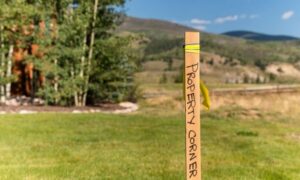 Clearing trees near a shared edge looks simple until you’re standing at the tree line trying to guess where your land stops. Boundary surveying gives you that answer before a single trunk comes down. On wooded lots around Pell City, Alabama, the real line between two properties often hides under brush, saplings and years of growth. A surveyor can find the true corners and mark the boundary so you clear on your own side. Cut in the wrong spot and a quick job turns into a dispute, plus the cost of trees that weren’t yours to remove. A little groundwork up front keeps the whole thing clean.
Why a Wooded Edge Is Not Automatically a Property Line
A row of tall trees, a change in plants, an old trail or a brush break can look like a boundary. None of them prove where your land ends. They only show where growth happened to change.
These features form for reasons that have nothing to do with your deed. A tree line might mark where an old field stopped being mowed. A trail follows the easiest path, not the legal line. Brush grows where nobody clears it, which isn’t the same as a corner. Deeds and recorded plats describe the boundary with measurements and fixed corner points, and the plants on the ground don’t have to match. Before you pick a single tree for removal, treat the wooded edge as a guess and nothing more. The true line can sit several feet to one side of what looks obvious.
Boundary Surveying Before Marking the Tree-Clearing Work Area
Boundary surveying gives you a solid reference before you decide where clearing should stop. The survey finds the property line. You and your crew plan the work area from there.
A surveyor studies the deed and recorded plats, then goes to the field to locate or reset the corners. They mark the boundary with monuments or flagging so you can see it on the ground. That mark isn’t the clearing limit by itself. It’s the fixed line you plan around. From there you and the contractor decide how far in from the line to work, whether you want a buffer and which trees stay. The survey answers where the boundary is. The clearing plan is your call, built on top of that answer.
Planning Equipment Access on Narrow or Irregular Rural Lots
Wooded lots around Pell City often have narrow frontage, an odd shape or a single way in. Plan how equipment moves before the crew shows up. Keep every part of the job on your side of the surveyed line.
Skidders, chippers and trucks need room to enter, turn and load. On a tight rural parcel that room can be scarce, and a crew might drift onto the neighbor’s ground just to swing a machine or drop a pile of brush. Once the boundary is marked, you can walk the site and sort out the moving parts:
- Where equipment enters and exits the lot
- Where machines can turn without crossing the line
- Where to stage logs, brush and debris
- Where to pile or haul material out
Check each of these against the marked boundary. Staging a debris pile a few feet over the line is still work happening on someone else’s land, even when no trees there get cut.
Protecting Survey Evidence During Tree and Brush Removal
Survey markers only help if they survive the job. Show your crew every marker and line flag before work starts. Ask them to work around them, not over them.
A surveyor sets monuments at the corners, often an iron pin or capped rebar driven into the ground, and may run flagging or paint along the line as well. Heavy equipment, dragging logs and grinding stumps can knock a pin loose, bury it or snap flagging off a tree. Once a corner is gone, you lose the physical proof of where the line sits. So walk the marked line with the crew first and point out each pin and flag. If a marker gets hit or vanishes during the work, call the surveyor. Don’t let the contractor guess where it was and drive a new stake. A replacement in the wrong spot is worse than a missing one, because it looks official and isn’t.
Using a Clear Boundary Reference for Neighbor Conversations
A finished boundary survey makes the talk with your neighbor easier. You both look at the same marked line. That beats trading opinions about where it runs.
Clearing near a shared edge goes smoother when the neighbor hears about it first. A short heads-up before the crew arrives cuts down on surprise and hard feelings. With the line surveyed, you can point to real corners and show exactly where you plan to work. Neighbors sometimes carry their own idea of the line from an old story or a long-standing fence. That understanding is worth hearing, but it doesn’t replace a professional boundary determination. If your neighbor disagrees with the marked line, that’s the time to work it out, before the trees come down and not after. Cutting or removing a tree that turns out to be on their side can lead to a claim for the value of that tree.
For a free land surveying quote, call us at (205) 291-4795 or send us a message by going here.
Posted in boundary survey | Tagged boundary survey, boundary survey Pell City, boundary surveying, boundary surveying Pell City, Pell City boundary survey, Pell City boundary surveying
